eSIM, Device Compatibility
China iPhone vs International iPhone: Key Differences
Why a China-model iPhone isn't the same phone as an international one — and how to check before you buy, sell, or travel.
TL;DR: China-market iPhones are dual physical SIM only, with no eSIM support, no Google Mobile Services, and a more restricted app ecosystem. Before buying a phone abroad or traveling with one, checking the exact model matters more than checking the price.

What Is a China iPhone?
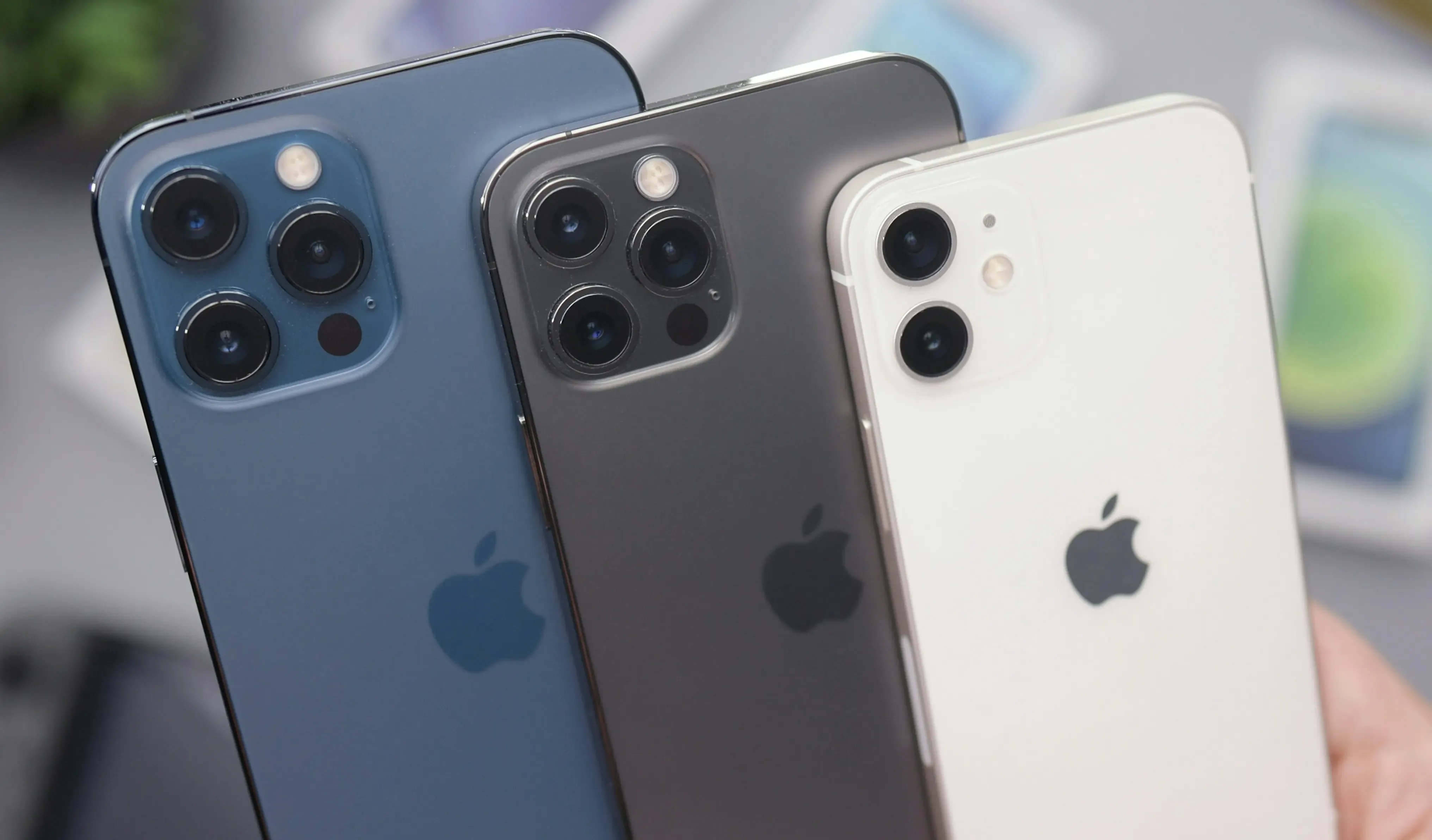
A China iPhone is a model sold for the Mainland China market, built around a China-specific software environment with restricted services compared to international versions. The exterior can look identical to an international model, but a phone made for China is not always the same phone once you look past the case.
How to Check If an iPhone Is a China Model
There are two quick ways to check, and using both gives you a reliable answer.
1. Check Model Number in iPhone Settings
To check if your iPhone was manufactured or designated for the Chinese market:
- Open Settings
- Go to General
- Tap About
- Find Model Number. Take note of the letter(s) at the end of the slash
If your model number ends with CH/A or CH, it is an official mainland China model.
2. eSIM Test
The practical shortcut:
- Open Settings > Cellular
- Try to Add eSIM
If you get an error message saying "Not supported on this iPhone," that means there's no option to add an eSIM - a clear sign you're holding a Mainland China unit.
China iPhone vs International iPhone: Full Comparison Table
Key Differences in Practice
Mainland China models use dual nano-SIM, so you can insert two physical SIM cards but can't rely on eSIM. International models vary by region instead:
- Some models support nano-SIM plus eSIM
- Some newer US models are eSIM-only
- Hong Kong models are typically dual physical SIM
- Japan models often pair one nano-SIM with eSIM
Heading into China with a China-model phone means shopping for a physical SIM on arrival rather than installing a China eSIM in advance.
The software side follows the same pattern. China-model iPhones run on a China ROM — the pre-installed software environment for Mainland China — which excludes Google Mobile Services and runs a more restricted app ecosystem:
- No Google Play
- No Google Maps
- No Gmail natively
- Network settings that may not work well once you're outside China
None of this makes the phone defective; it's simply built for a different market. That's why the restrictions compound quickly if you're relying on the phone for both apps and data flexibility while traveling.

How Restrictions Affect Real-World Use
1. Travel convenience
If you travel often, eSIM makes switching to a local plan easier. A China iPhone doesn't offer that flexibility, so travelers bringing an international, eSIM-capable phone into China have a smoother path with a China eSIM set up before departure.
2. App access
If you rely on Google services, the China iPhone setup can be inconvenient, since Google Mobile Services aren't included.
3. Network performance
Some regional models support different band sets, which can affect connectivity and speed, especially if you use the phone outside its intended market.
4. Resale and support
A phone bought for one region can be harder to resell or support in another. Buyers generally want a model that matches their local network and software expectations.
Which Model Is Better?
Choose a China iPhone if: you live in Mainland China, you don't need eSIM, you mainly use local apps and services, and you're comfortable with region-specific limitations.
Choose an international iPhone if: you travel frequently, you want eSIM support, you need broader app access, and you want fewer regional restrictions.
Common Buying Mistake: Assuming Every iPhone Is Global
One of the most common problems is buying a China-market iPhone and expecting international behavior. That can lead to eSIM disappointment, missing Google services, app restrictions, network incompatibility, and unexpected feature limitations. If you're buying from overseas sellers, always confirm the exact region before paying.
Traveling to China? What This Means for Your Data Plan
If your iPhone is an international model with eSIM support, the simplest way to get online in China is installing a China eSIM before you leave home. It activates on arrival, keeps your home number free for calls and texts, and avoids the search for a local SIM counter at the airport. If your phone is a China-market model without eSIM, or you've confirmed via the compatibility checker that eSIM isn't supported, a physical SIM card is your fallback option.
For a full rundown of which iPhone models of the international variants support eSIM, see our iPhone eSIM compatibility guide.
Comparing phones for other trips? See our guides on
- Android eSIM compatibility
- Samsung eSIM compatibility
- OnePlus eSIM compatibility
- OPPO eSIM compatibility
- Google Pixel eSIM compatibility
Frequently Asked Questions
Do China-market iPhones support eSIM?
No, mainland China models typically use dual physical SIM instead of eSIM.
Can I use an international iPhone in China?
Yes, as long as it supports the network bands used in China. If it also supports eSIM, you can set up a China eSIM before you travel.
How do I check if my iPhone is a China model?
Check the model number under Settings > General > About. If your model number ends with CH/A or CH, it is an official mainland China model.
Why doesn't my China iPhone have Google Maps or Gmail?
China-market iPhones run a China ROM software environment that doesn't include Google Mobile Services, so Google apps aren't available natively.
Is it a problem to buy an iPhone from an overseas seller?
It can be, if you don't confirm the region first. A China-market phone bought from an overseas seller can lack eSIM support, Google services, and certain network features you'd expect from an international model.
Is the iPhone from China original?
Yes, a China-market iPhone is a genuine Apple product, not a counterfeit. Nearly all iPhones sold worldwide are manufactured in China regardless of which region they're sold in, so "made in China" and "China model" are different things. A China-model iPhone is simply the version Apple configures specifically for sale in Mainland China, with the software and SIM restrictions covered above. The authenticity question is separate from the region question, and it's worth checking both before you buy, especially from a third-party or overseas seller.
Does China have cheap iPhones?
Official Apple pricing for China-model iPhones is generally comparable to other major markets, not dramatically cheaper. Very low prices from unofficial sellers are more often a sign of a used, refurbished, grey-market, or counterfeit device than a genuine bargain. If a listing seems significantly cheaper than Apple's official pricing, that's a reason to check the model number and seller reputation carefully rather than assume you've found a deal.
Can I buy a Chinese iPhone and use it in the US, Canada, or the EU?
You can physically use a China-model iPhone outside China in many cases, but expect real limitations. You'll likely be without eSIM support, without Google Mobile Services, and possibly without full 5G band compatibility for your local network, since the phone is optimized for China's carriers rather than yours. Some functions tied to your region, like certain FaceTime features, behave differently. It can work as a basic phone, but it's not a like-for-like substitute for a model sold in your own region.
Why shouldn't I buy the Chinese model iPhone?
The main reasons buyers steer away from a China-model iPhone when they don't live in Mainland China are the missing eSIM support, the absence of Google Mobile Services and the apps built on it, a more restricted app ecosystem, and network band configurations built around China's carriers rather than your own. None of these make the phone defective - it's working as designed for its intended market - but that design doesn't map well onto international travel, resale, or everyday use outside China.
Nomad eSIM Free Trial
Try Nomad eSIM risk-free with our free trial—no contracts, no commitment. Set up in minutes, enjoy secure connectivity, and manage everything easily through the Nomad eSIM app.